
Auto loan basics3 min
How Auto Loans Work
Follow the money from price negotiation through repayment.
2 referenced sourcesOpen guide
Research library · 32 reviewed guides
Search source-backed guides or narrow the library by financing topic.
Research index
Showing 32 of 32 guides
Follow the money from price negotiation through repayment.

Compare rate, depreciation, warranty, and price tradeoffs.

Understand when replacing an existing loan may help.

Use early credit checks without confusing them with final approval.

Compare three common ways to fund a vehicle purchase.

Prepare the records lenders commonly use to verify an application.

Understand shared liability before adding another person.

Know what can still change after an initial approval.

Use averages as context, not as a personal quote.

Separate collateral risk from the purchase price decision.

Understand the market and borrower factors behind APR changes.

Use inflation data without treating it as a local quote.

Translate broad price changes into a safer local search.

See how vehicle value and debt can move at different speeds.

Build a budget from the complete transaction amount.

Avoid trading an affordable payment for an unnecessarily expensive loan.

Use APR to compare the annualized cost of credit.

Know why two percentages may appear on the disclosure.

Choose a payoff period that balances payment and risk.
Trace how the transaction becomes a loan balance.

Read the changing principal and interest portions of a fixed payment.

Understand how interest accrues on the outstanding balance.

See how upfront cash can change financing risk.

Review charges and early-payoff language before signing.

Estimate savings and complete the lien-release process.
Reduce cost and fraud risk when credit options are limited.
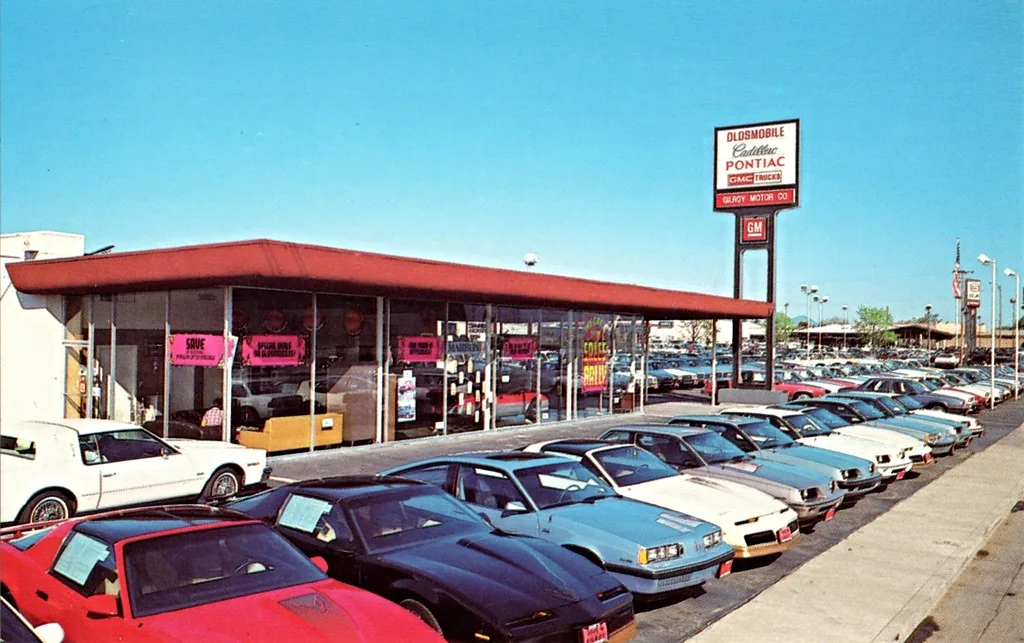
Build a verifiable application without inventing a score threshold.

Plan the entire ownership budget before the first dealership visit.

Prepare for title, identity, and funding steps outside a dealership.

Understand owing more than a vehicle is worth.

Reconcile payoff, trade value, and the next contract.

Set realistic expectations for two constrained situations.